Living in the Heights: Houston's Walkable Historic Favorite
Bungalows, new builds, dining, and what to know before buying in one of the inner loop's hottest areas.
August 6, 2026 | Raquel Refuerzo
The Heights is the rare Houston neighborhood where you can leave the car in the driveway. Tree-lined esplanades, a hike and bike trail running straight up the middle of the boulevard, century-old bungalows sitting next to crisp new construction, and a stretch of locally owned shops and restaurants that has stubbornly resisted going corporate. For buyers who want walkability, character, and a short hop to downtown without leaving single-family living behind, this is the inner loop neighborhood that tends to top the list.
It is also one of the more nuanced places to buy in Houston. Deed restrictions change block to block. Parts of the area sit inside a historic district with its own approval process. And while the famous "dry" reputation has mostly faded, the rules around it still surprise newcomers. Here is what living in the Heights actually involves, and what to weigh before you make an offer.
Quick Takeaways
- The Greater Heights median sale price was about $678,000 in early 2026, up roughly 4.2 percent year over year, with homes averaging near $302 per square foot.
- Over the past five years, Heights home values have climbed close to 39 percent, one of the strongest appreciation stories in the inner loop.
- The neighborhood spans from I-10 on the south to the 610 Loop on the north, framed by Shepherd Drive and Yale Street, just minutes from downtown.
- Housing ranges from original Craftsman and Victorian bungalows to renovated historics and brand-new townhomes and custom estates.
- Deed restrictions vary by block, and portions of the Heights fall inside a City of Houston historic district that regulates exterior changes.
- The old alcohol "dry zone" has been mostly repealed; today the main holdover is that grocery and convenience stores in the former dry area still cannot sell liquor.
A Streetcar Suburb With Deep Roots
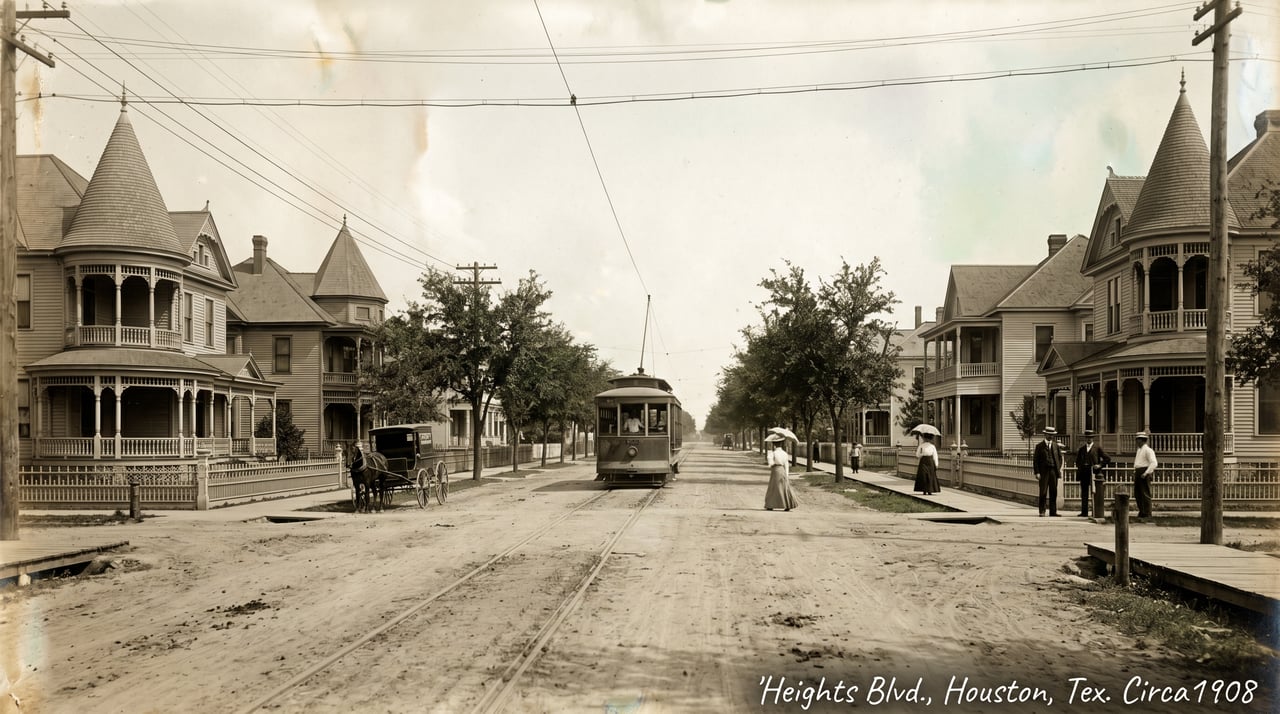
The Heights was founded in 1891 as Texas's earliest planned community, built along a streetcar line northwest of what was then a much smaller Houston. It incorporated as its own city in 1896 before being annexed into Houston in 1918. That history is the whole appeal. You can still read it in the wide landscaped median of Heights Boulevard, the generous front-porch setbacks, and the mix of architectural styles from Queen Anne and Victorian cottages to American Foursquare and Craftsman bungalows.
After decades of decline through the mid-twentieth century, a wave of revitalization beginning in the 1970s and 1980s brought the neighborhood back. The Houston Heights Association, founded in 1973, has been central to preserving the character that buyers pay a premium for today. The result is a neighborhood that feels genuinely lived-in and historic rather than manufactured, which is exactly why demand stays high.
What Homes Cost in the Heights Right Now
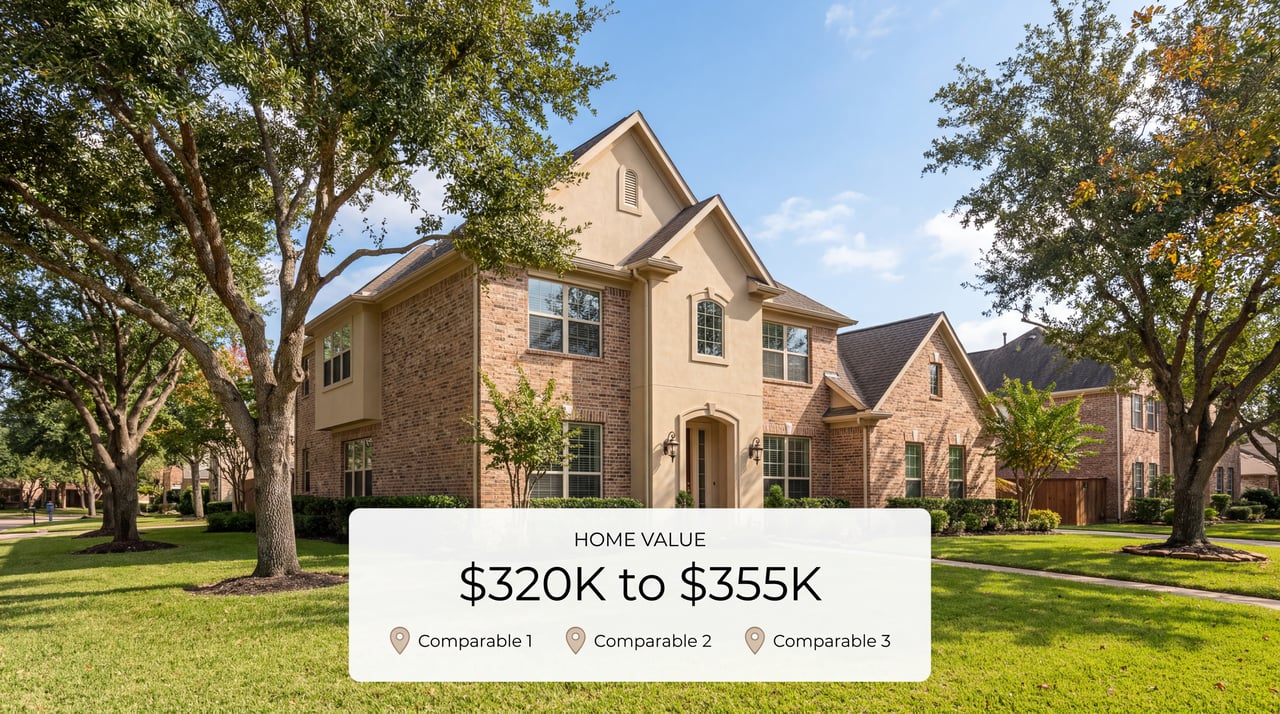
The Heights commands a clear premium over the broader Houston market. While the citywide median sale price hovered around $345,000 in early 2026, the Greater Heights median sat near $678,000, with price per square foot around $302. Homes have been taking a bit longer to sell than they did at the frenzied peak, averaging roughly two months on market, which gives prepared buyers more room to negotiate than they had a couple of years ago.
The longer-term story is the one investors and equity-minded buyers watch. Average Heights home values have risen close to 39 percent over the past five years, adding well over $200,000 in value to a typical home since 2020. Location, walkability, and limited supply inside a fixed historic footprint all reinforce that demand. If you want a sense of where this fits against the wider market, my monthly Houston Housing Market Update tracks inventory and pricing citywide.
Pricing inside the neighborhood swings widely based on three things: lot size, proximity to the 19th Street and White Oak action, and whether the home is an original structure or new construction.
Bungalow vs. New Build: A Quick Comparison
Factor | Original / Renovated Bungalow | New Construction |
|---|---|---|
Character | High, period detail and mature trees | Modern, open layouts |
Maintenance | More, older systems and foundations | Less, everything new |
Lot | Often larger, established landscaping | Sometimes subdivided, smaller yards |
Restrictions | More likely in historic district | May face setback and design rules |
Energy efficiency | Lower unless updated | Higher |
Price per square foot | Varies with condition | Typically higher |
There is no universally right answer here. Buyers who want move-in-ready efficiency lean new, while those drawn to the neighborhood's soul often want the bungalow and accept the upkeep. My breakdown of new construction vs. resale homes in Houston walks through the trade-offs in more detail.
The Walkable Lifestyle People Move Here For
This is the part that sells the Heights. It is consistently ranked among the most walkable and bikeable neighborhoods in a city not exactly famous for either.
Heights Boulevard anchors everything, with a landscaped esplanade and the Heights Hike and Bike Trail running down its center. That trail ties into the longer MKT Trail, a rails-to-trails path that lets you walk or bike between several of the neighborhood's commercial hubs without touching a major road.
19th Street and the Shopping Districts
Historic 19th Street remains defiantly local. Instead of chains, you get vintage clothing shops, record stores, antique dealers, folk art galleries, and the restored Heights Theater for live music and films. It also hosts the First Saturday Arts Market and the summertime White Linen Night, both neighborhood institutions.
Beyond 19th Street, three newer mixed-use developments round out the retail picture. Heights Mercantile blends upscale boutiques with dining like Postino and Revival Market, a part-butcher, part-cafe spot. The MKT development brings elevated shopping, fitness studios, and curated restaurants right off the trail. And the White Oak Drive and Shady Acres stretches have become the nightlife and craft-brewery corridors.
Dining and Music
The Heights restaurant scene punches well above its size, from acclaimed spots like Better Luck Tomorrow and Coltivare to celebrated barbecue at Pinkerton's. For live music, White Oak Music Hall offers skyline views alongside its stages. If you are mapping out the broader food landscape, my guide to the best restaurants by neighborhood in Houston puts the Heights in context.
Historic Districts and Certificates of Appropriateness
Portions of the Heights are designated City of Houston historic districts, overseen by the Houston Archaeological and Historical Commission. If a property falls inside one of those boundaries, exterior changes, additions, and demolitions generally require a Certificate of Appropriateness before work begins. New construction must be compatible with surrounding homes in terms of setback, height, and design, and demolition requests are heavily scrutinized to protect neighborhood character.
None of this should scare you off. It is precisely what keeps the streetscape intact and protects values. But it does mean your renovation timeline and budget can look different here than in an unrestricted part of town, so confirm a home's historic status before you fall in love with a remodel plan.
Deed Restrictions Vary Block to Block
Separate from the historic overlay, the Heights has a patchwork of deed restrictions that differ significantly from one block to the next. Some sections carry mandatory restrictions managed by the Houston Heights Association, covering things like building density, height, and setbacks, while many areas are voluntary. A few pockets have an HOA; most do not. Because the rules are not uniform, you cannot assume what applies to one property applies next door. My overview of HOA fees and rules in Houston explains what to request during due diligence.
Whatever Happened to the Dry Zone
For more than a century, a 1912 ordinance kept large parts of the original Heights "dry," banning alcohol sales well before national Prohibition. Two ballot initiatives in 2016 and 2017 mostly washed that away. Today restaurants and bars in the former dry area can serve freely, and the main holdover is that grocery and convenience stores there still cannot sell liquor. It rarely affects daily life now, but it explains the neighborhood's quirky reputation and the patchwork of beverage licenses you will notice.
Flooding and Due Diligence
Like much of Houston, flood risk varies property by property, and White Oak Bayou runs along the neighborhood's edge. Some lots sit in higher-risk zones while neighboring blocks do not, so always pull the specific flood designation before writing an offer. My guide to flood zones in Houston covers how to read the maps and what insurance you may need.
Location, Commute, and Schools
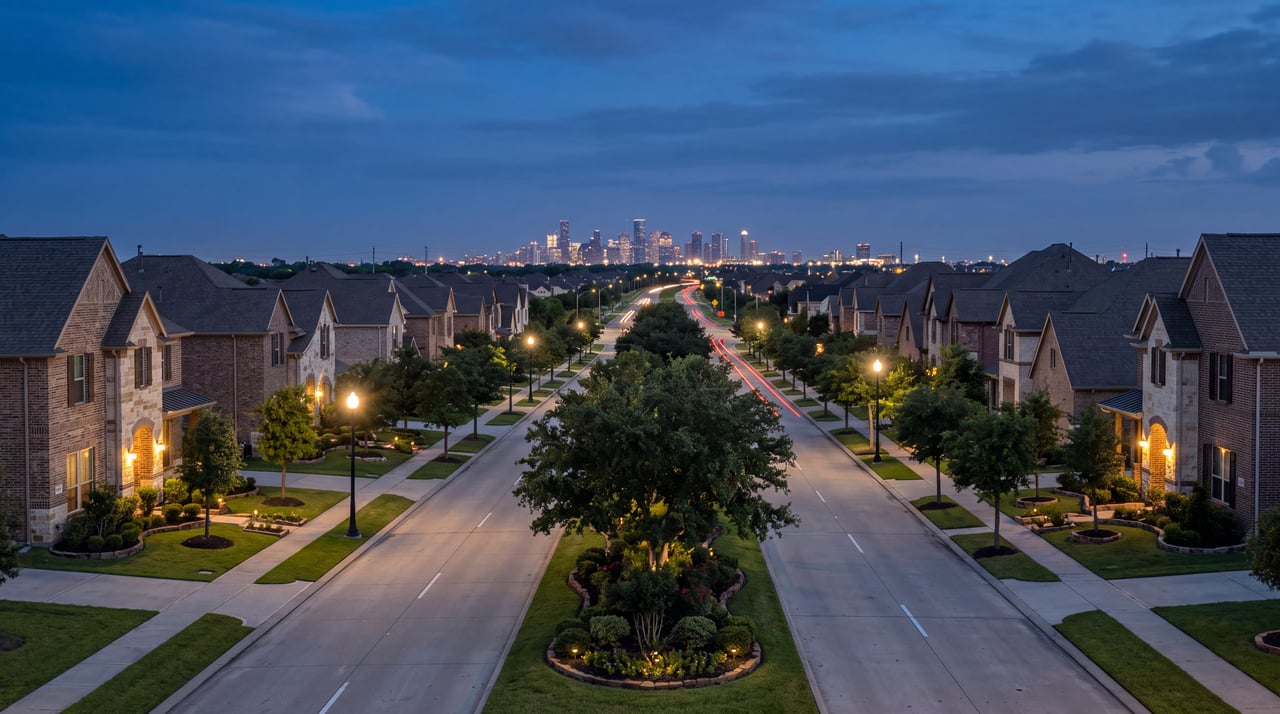
The Heights sits in an enviable spot, hemmed by I-10, I-45, and the 610 Loop, which puts downtown, Midtown, the Texas Medical Center, and the Washington Avenue corridor all within a quick drive. That central position is a big part of why values hold so well.
On the schools front, the area is served by Houston ISD campuses including Travis Elementary, Hamilton Middle School, and Heights High, along with several sought-after HISD magnet programs. As with restrictions, attendance zones and ratings can shift by address, so verify the specific zoning for any home. My Houston school districts guide is a good starting point for families weighing the move.
Is the Heights Right for You?
The Heights fits buyers who prioritize walkability, historic character, and proximity to the urban core, and who are comfortable with the trade-offs that come with an older, restriction-rich neighborhood. It is less ideal if you want a large suburban lot, a low-maintenance everything-is-new property at a lower price point, or total freedom to build whatever you want.
If you are weighing it against other inner loop options, it is worth comparing notes with neighbors like Montrose and reviewing where the area lands among the best Houston neighborhoods for young professionals. And when you are ready to move from browsing to buying, my 10-step home buying guide for Houston maps out the whole process.
The Heights rewards buyers who understand it. Get clear on a property's restrictions, historic status, and flood designation up front, and you end up with something Houston does not offer many places: a walkable, characterful neighborhood that has proven, year after year, that people want to live there.
If you are considering a move to the Heights and want a clear read on a specific property's restrictions, value, and long-term outlook, reach out. I have been helping buyers and sellers navigate Houston's inner loop since 2013.
Related Keywords: living in the Heights Houston, Houston Heights real estate, Heights neighborhood guide, buying a home in the Heights, inner loop Houston neighborhoods