Pre-Listing Prep: What to Fix (and What to Skip) Before Selling Your Houston Home
The repairs that pay you back, the ones that don't, and how to prioritize structural and safety items first.
July 23, 2026 | By Raquel Refuerzo
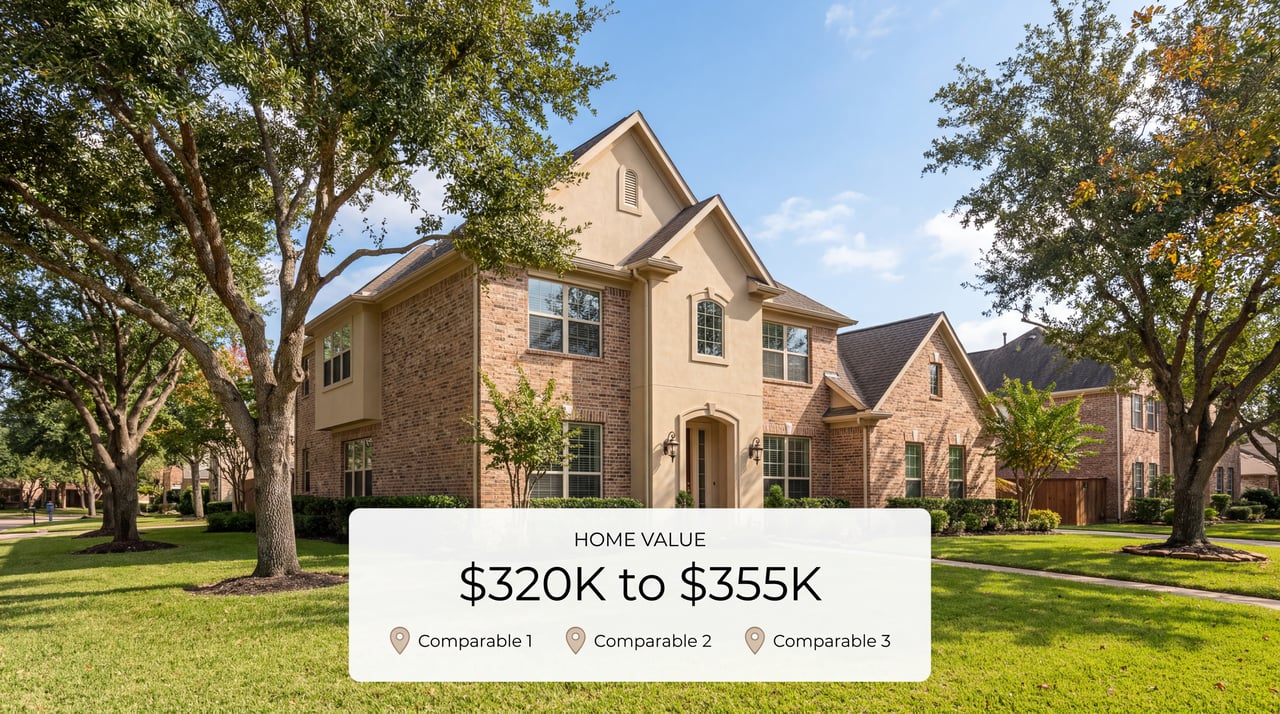
A few years ago, a Houston seller could skip the prep work, list a little high, and still field competing offers within a weekend. That market is gone. As of May 2026, Greater Houston is carrying about 5.7 months of single-family inventory, up from 4.2 months a year earlier, and the median single-family price has eased to roughly $335,000. Homes are sitting longer, and buyers have the time and the leverage to be selective.
That shift changes the math on pre-listing prep. When buyers have 30 other homes to tour, the condition of yours is no longer a footnote. It decides whether you get a clean offer in two weeks or a string of lowball bids, inspection objections, and price reductions stretched across two months. The goal of good prep is not to win an HGTV award. It is to remove every reason a buyer might use to walk away or chip at your price.
The trap most sellers fall into is spending money in the wrong order. They repaint the guest bath while ignoring the foundation. The right sequence is structural and safety first, high-return cosmetic second, and discretionary remodeling almost never. Here is how to prioritize.
Quick Takeaways
- Fix structural and safety issues first. Foundation, roof, electrical, plumbing, and HVAC problems sink deals and trigger Texas disclosure obligations whether you repair them or not.
- Curb appeal delivers the best return. Exterior projects like garage doors and entry doors recoup more than 200 percent of their cost on national data, while major kitchen and bath remodels often return under 60 percent.
- Skip the big discretionary remodels. A gut kitchen renovation rarely pays for itself before a sale, and over-improving for your block leaves money on the table.
- A pre-listing inspection is worth considering in a buyer-leaning market. It lets you control the narrative on repairs instead of reacting to a buyer's inspector.
- In Houston's 2026 market, preparation is leverage. Buyers reward move-in-ready homes and punish anything that looks like deferred maintenance.
Why Pre-Listing Prep Matters More in Houston's 2026 Market
Houston is now a balanced market tilting toward buyers, and the experience inside that market is uneven. Inner-loop neighborhoods like The Heights, Montrose, and West University are still moving well, while suburban areas carrying new construction inventory are slower. In both, the same rule applies: the best-prepared listing wins.
Here is what buyer leverage actually looks like on the ground. Buyers are touring more homes before they commit, so first impressions carry more weight. They are ordering thorough inspections and negotiating hard on what those inspections find. They are comparing your home directly against newer or better-presented listings down the street. A home that needs obvious work does not just sell for less. It often sits, and a stale listing invites even lower offers.
For a deeper read on where the market is heading, see my breakdown of Houston market trends every seller needs to know. The headline for prep is simple: in 2026, the money you spend fixing the right things is no longer optional polish. It is the difference between a clean close and a drawn-out grind.
Start Here: Structural and Safety Items Come First
Before you think about paint colors, deal with anything that affects the structure, the systems, or the safety of the home. These are the issues that kill deals during the option period, and in Texas they carry legal weight you cannot ignore.
Foundation and Slab Movement
Houston sits on expansive clay soil that swells and shrinks with our wet-then-dry cycles, and most homes here are built on slab foundations. That combination makes foundation movement one of the most common and most feared issues in local transactions. Sticking doors, hairline cracks above window frames, sloping floors, and separation at brick joints are all signals a buyer's inspector will flag immediately.
If you suspect movement, get a structural engineer's evaluation before you list, not after a buyer's inspector raises it. Documented repairs with a transferable warranty reassure buyers and remove a major negotiating chip. Unaddressed and undisclosed foundation problems do the opposite: they scare off financing, tank offers, and expose you to liability after closing.
Roof, Drainage, and Water Intrusion
Hail and windstorms put Houston roofs through a lot, and roof condition is one of the first things a lender's appraiser and a buyer's inspector check. A roof near the end of its life invites either a price cut or a demand for full replacement. Address missing shingles, active leaks, and flashing problems. If the roof is genuinely worn out, get bids so you can speak to the cost intelligently during negotiation.
Drainage matters just as much in our climate. Poor grading, clogged gutters, and standing water near the foundation feed the very soil movement that causes structural problems. Given Houston's flood history, water issues are scrutinized harder here than almost anywhere. If your property has ever flooded, that fact must be disclosed, and buyers can verify flood zone status independently. My guide to flood zones in Houston covers what buyers look for and how it affects your sale.
Electrical, Plumbing, and HVAC
These three systems show up on every inspection report. Buyers worry about them because they are expensive to fix and impossible to see at a showing. Replace dead smoke detectors and any non-working GFCI outlets. Address visible leaks under sinks, slow drains, and water heater age. Service the HVAC and keep the records, because in a Houston summer a questionable air conditioning system is a real objection, not a minor one.
You do not need to gold-plate these systems. You need them functional, documented, and free of red flags. A buyer who sees a serviced HVAC, a recent water heater, and no plumbing surprises stops looking for hidden problems and starts imagining living there.
The Texas Seller's Disclosure Connection
Here is the part many sellers underestimate, and it is where prioritizing structural and safety items pays off legally as well as financially. Under Texas Property Code Section 5.008, sellers of most single-family homes must complete the TREC Seller's Disclosure Notice and disclose all known material defects before the contract becomes binding. The form covers structural components, the roof, plumbing, electrical, HVAC, prior flooding, termite history, and repairs made without permits.
This is not a formality. "I forgot" is not a legal defense, and marking "unknown" is not a loophole for problems you simply would rather not mention. A buyer in Texas generally has up to four years from the date they discover a defect to bring a claim, and the clock starts at discovery, not at closing. Knowingly concealing a material defect can expose you to actual damages plus, in some cases, treble damages. An "as-is" clause does not erase these obligations.
The practical takeaway: you are required to disclose what you know either way, so addressing the serious items before listing is usually smarter than disclosing them as open problems and watching buyers price in worst-case repair costs. Note that as a broker I do not fill out your disclosure for you, and you only have to disclose what you actually know. You are not required to go hunting for problems. But once you know, you must tell.
The Repairs That Pay You Back
After the must-fix items are handled, turn to the projects that return the most per dollar. The national Cost vs. Value data has been consistent for years: exterior and curb appeal projects beat interior remodels on pure return, because buyers form an opinion of your home before they walk through the door.
The numbers below are national averages from the 2025 Cost vs. Value Report. Houston results vary by neighborhood and price point, and almost nothing returns dollar for dollar at the high end. Use these as a ranking of efficiency, not a promise of appraised value.
Project | Approx. Cost | Resale Value Added | Approx. ROI |
|---|---|---|---|
Garage door replacement | $4,672 | $12,526 | ~268% |
Steel entry door replacement | $2,435 | $5,270 | ~216% |
Manufactured stone veneer (front) | Mid-range | More than double cost | ~200%+ |
Minor kitchen remodel (refresh) | $21,485 | $24,420 | ~113% |
Wood deck addition | Mid-range | Near cost | ~95% |
Composite deck addition | Higher | Below cost | ~88% |
Upscale major kitchen remodel | High | Well below cost | ~51% |
The pattern is clear. Replacing a tired garage door or front entry door is cheap, fast, and highly visible. Gutting a kitchen is expensive, slow, and recoups roughly half its cost.
Curb Appeal and Exterior Wins
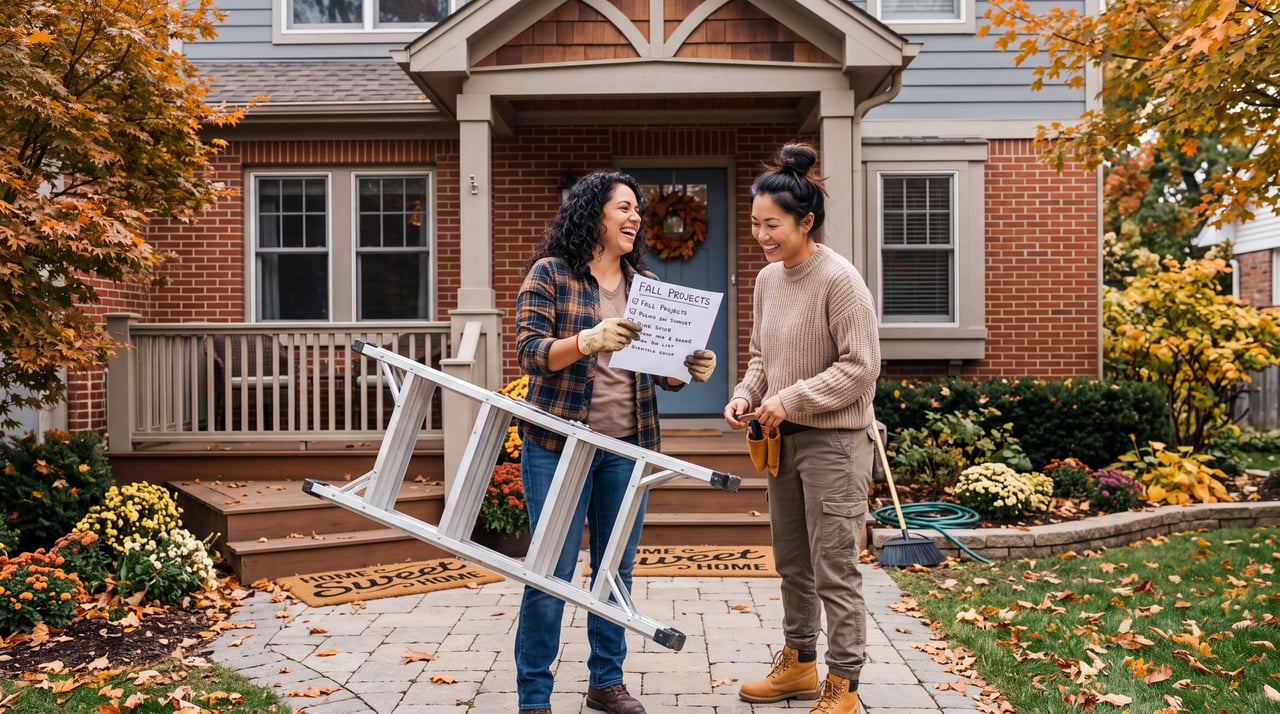
Spend your first cosmetic dollars where buyers look first. Power-wash the driveway and siding. Refresh or replace the front door and hardware. Repaint the garage door or replace it if it is dented and dated. Trim the landscaping, edge the beds, and add fresh mulch. None of this is glamorous, and all of it shows up in the photos buyers scroll past before they ever schedule a tour. Strong exterior presentation is also the foundation of good staging, which I cover in how to stage your Houston home to sell fast.
Smart Interior Updates
Inside, favor refreshes over renovations. Neutral paint throughout is the single highest-impact interior dollar you can spend. Replace dated light fixtures and cabinet hardware. Deep clean carpets or, if they are worn, consider budget-friendly replacement in neutral tones. In the kitchen, new hardware, a modern faucet, and clean or refreshed cabinet fronts deliver far more per dollar than new countertops and appliances. For a fuller list of value-adding updates, see how to increase your Houston home's value before selling.
What to Skip: The Money Pits Before a Sale
Just as important as knowing what to fix is knowing what to leave alone. The following projects rarely make sense when your goal is selling, not living.
Over-Improving for Your Neighborhood
Your home's value is anchored to your block and your comps. If you install luxury finishes that no other home in the area has, you will not recoup the premium. Appraisers and buyers both compare against neighborhood norms, which is why understanding how home appraisals work in Houston matters before you spend. Match the standard of the neighborhood. Do not try to exceed it on your way out the door.
Major Discretionary Remodels
A full kitchen gut, a primary bath expansion, a room addition, a pool: these are lifestyle investments, not selling investments. They cost tens of thousands of dollars and return a fraction of that at resale. If your kitchen is genuinely functional and clean, refresh it rather than rebuild it. The buyer who wants a designer kitchen would rather choose their own finishes than pay a premium for yours.
Cosmetic Patches Over Real Problems
Painting over a water stain, caulking a structural crack, or hiding a known issue is the worst money you can spend. It does not fool a competent inspector, it does not satisfy your disclosure duty, and it can convert a manageable repair into a fraud claim. Fix the underlying problem or disclose it. Never paper over it.
Worth Doing Before You List | Skip or Reconsider |
|---|---|
Foundation and roof repairs with documentation | Cosmetic cover-ups of structural issues |
Servicing HVAC, plumbing, electrical | Full kitchen or bath gut renovations |
Fresh neutral paint throughout | Bold or trendy custom finishes |
Garage door and entry door refresh | Pools, additions, and luxury upgrades |
Curb appeal and landscaping cleanup | Over-improving past neighborhood norms |
New hardware, fixtures, deep clean | Replacing functional appliances and counters |
Should You Get a Pre-Listing Inspection?
In a buyer-leaning market, a pre-listing inspection is worth serious consideration. For a few hundred dollars, you learn what a buyer's inspector will find before it becomes a negotiation. That gives you three advantages: you can fix issues on your own timeline and budget rather than under deal pressure, you can disclose accurately and confidently, and you can price the home knowing it will not be undercut by inspection surprises.
The same issues buyers' inspectors flag in Houston are the ones to watch for, and my home inspection guide walks through them. The one caution: once you know about a defect, you must disclose it, even if you choose not to repair it. That is not a reason to skip the inspection. It is a reason to handle the serious findings before you list.
A Prioritized Pre-Listing Checklist
Work this list in order. Do not move to the next tier until the one above it is handled.
Tier 1, structural and safety (do first): Evaluate and document any foundation movement. Repair active roof leaks and worn flashing. Confirm electrical, plumbing, and HVAC are functional and serviced. Address drainage and any water intrusion. Resolve known safety hazards.
Tier 2, high-return cosmetic (do next): Refresh or replace the front door and garage door. Clean and improve curb appeal and landscaping. Apply neutral paint throughout. Update hardware, fixtures, and the kitchen faucet. Deep clean the entire home, including carpets.
Tier 3, staging and presentation (do last): Declutter and depersonalize every room. Arrange furniture to show space and flow. Invest in professional photography. Maximize natural light.
Skip entirely: Major remodels, luxury upgrades beyond neighborhood norms, and any cosmetic patch over a real defect.
How to Decide What's Worth It
When you are weighing a specific repair, ask one question: will this either add value or prevent value loss? Most pre-listing dollars should go toward preventing value loss, the inspection objections, the buyer hesitation, and the lowball offers that come from visible problems. A smaller share goes toward the visible, low-cost improvements that win first impressions.
In Houston's 2026 market, where buyers have time, options, and negotiating power, the prepared seller still wins. Price it right, fix what matters, present it well, and you remove the reasons a buyer would walk. For the full strategy beyond prep, see selling your Houston home for top dollar and, if you are listing into softer conditions, tips for selling in a buyer's market.
If you want a candid walk-through of your specific home before you spend a dollar, that is exactly the conversation I have with sellers every week. Reach out and we will build your prep list together.
Raquel Refuerzo is a Houston real estate broker (ABR, CNE) and the founder of Realty Raquel. Call or text 832-415-9228 or visit realtyraquel.com.
Related Keywords: prepare home for sale Houston, what to fix before selling a house, pre-listing checklist Houston, home repairs before selling, ROI home improvements Houston