Hurricane-Ready: Protecting Your Houston Home Before Peak Season
A homeowner's checklist for storm prep, insurance review, and documentation before the August-September peak.
July 7, 2026 | Raquel Refuerzo
Hurricane season started June 1, but if you live in Houston, you already know the part that matters most arrives later. The Atlantic basin runs quiet through early summer and then sharpens. NOAA's outlook calls for a below-normal season in 2026, with 8 to 14 named storms and 3 to 6 hurricanes, but the agency's own forecasters keep repeating the same line: it only takes one. Beryl in 2024 was supposed to be a manageable storm too, right up until it knocked out power to more than two million Houston-area customers for over a week.
The good news is that the calendar is on your side right now. The window between early July and the late-August peak is exactly when smart Houston homeowners get their house, their paperwork, and their insurance in order. This checklist walks through all three.
Quick Takeaways
- Houston's real storm risk peaks August through October, not in June. July is your prep month.
- Your homeowners policy covers wind and hail. It does not cover rising water. Flood is always a separate policy.
- A new flood policy through the NFIP generally takes 30 days to take effect, so July is the deadline, not September.
- Most inland Houston homes carry wind coverage on the homeowners policy, not through TWIA. TWIA is a coastal product.
- A documented home inventory taken before a storm is the single thing that speeds up a claim afterward.
- Resilience upgrades like a roof replacement, hurricane straps, or a generator can lower premiums and raise resale value.
Why July Is the Month That Counts
The Atlantic hurricane season officially runs June 1 through November 30, but activity typically peaks between August and October. That window produces the greatest number of storms and the strongest ones. For Houston specifically, the dangerous stretch is roughly mid-August through late September, when Gulf water is at its warmest and storms have the fuel to intensify quickly.
This timing creates a trap. People mean to prepare, then put it off because June and early July feel calm. By the time a storm is named in the Gulf and headed toward Texas, the practical options have closed. Stores sell out. Contractors are booked. And critically, you can no longer buy flood coverage that will help you for that storm.
So treat July as your deadline, not your warm-up.
Step One: Review Your Insurance Before You Touch a Single Sandbag
The most expensive Houston storm mistakes are not physical. They are gaps between policies that homeowners did not know existed. Houston storm protection is not one big policy. It is built from separate contracts that each answer a different kind of damage, and the gaps between them are exactly where families get hurt at claim time, because the cause of the damage decides which policy pays.
Here is how the layers break down.
Wind and hail. This lives on your standard homeowners policy. When a hurricane strips shingles off your roof or hail cracks the decking, that is a homeowners claim. The catch is the deductible. Hurricane and windstorm damage usually carry a separate, percentage-based deductible rather than a flat dollar amount. It typically runs 1% to 5% of your home's insured value, so on a $300,000 home you could owe $3,000 to $15,000 before coverage kicks in. Pull your policy and find that number now, because the morning after a storm is the wrong time to learn it.
Flooding. This is the one that catches Houston off guard. Standard homeowners insurance almost never covers rising groundwater. You need a separate flood policy, either through the National Flood Insurance Program (NFIP) or a private carrier. More than 300,000 homes in the greater Houston area sit in a floodplain, and Harvey taught everyone that homes outside the mapped high-risk zones flood too. Houston's flat topography and rapid development can change drainage patterns block by block.
The 30-day rule that ends the conversation. A new NFIP flood policy generally does not take effect for 30 days. That single fact is the most expensive thing Houston families learn too late. If you buy a policy in mid-September because a storm is coming, you are not covered for that storm. If you want flood protection in place for the August-September peak, the policy needs to be purchased in July. Full stop.
TWIA, and why most of you can ignore it. The Texas Windstorm Insurance Association is a coastal product for the official state-designated catastrophe area along the coast, plus a small carve-out of Harris County east of State Highway 146. If your home is inland Houston, your wind coverage is on your homeowners policy, not TWIA. Do not let anyone confuse the two.
Here is the coverage map in one view.
Type of damage | Which policy pays | Key thing to know |
|---|---|---|
Wind, hail, roof, flying debris | Homeowners policy | Separate percentage deductible, often 1 to 5 percent of home value |
Rising water and storm surge | Separate flood policy (NFIP or private) | 30-day waiting period; buy in July |
Coastal windstorm (designated area only) | TWIA | Applies to the coast and a sliver of Harris County, not most of Houston |
Sewer or drain backup | Endorsement add-on | Not automatic; ask your agent to add it |
Temporary living costs after a covered loss | Loss of use coverage | Confirm the limit covers a realistic displacement |
NFIP policies cap at $250,000 for the structure and $100,000 for contents. If your home is worth more, ask about excess flood coverage through a private insurer so you are not underinsured on your biggest asset.
Step Two: Harden the House
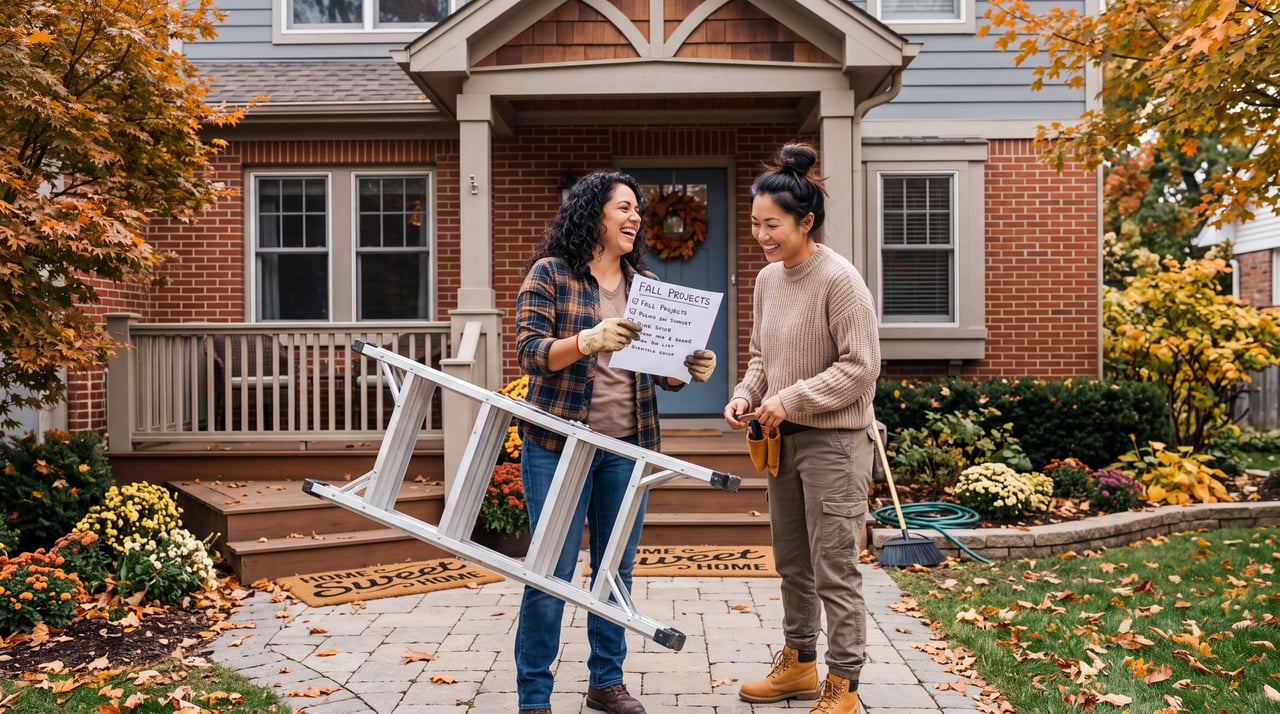
Preparing a Houston home is no longer just plywood and sandbags. Modern building science offers several ways to harden a property that keep you safer, can lower your insurance premiums, and raise resale value at the same time. Work through this in July while contractors still have availability.
Roof. Your roof is your first line of defense and your most common wind claim. If it is aging or you have not had it inspected since the last major storm, get a professional look now. Documented wind mitigation features such as hurricane straps and storm shutters earn premium reductions from many carriers.
Trees and gutters. Trim overhanging and dead limbs that can become projectiles or crush a roof. Clear gutters and downspouts so water moves away from your foundation instead of pooling against it, which matters in a city built on expansive Beaumont clay soils that already stress foundations.
Windows and doors. Install storm shutters or have pre-cut plywood panels labeled and ready in the garage. Reinforce garage doors, which are a frequent failure point in high wind.
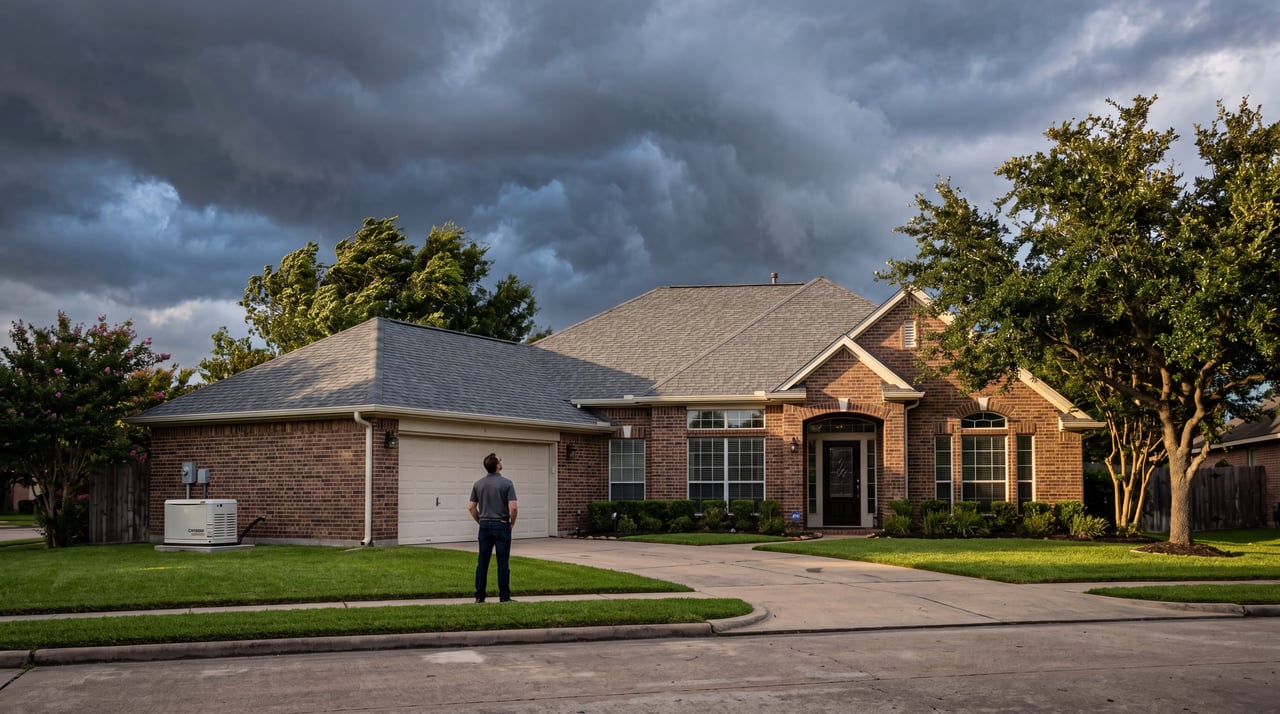
Power. Beryl made the case for backup power across the entire region. A whole-home or portable generator is worth pricing out, and homes with one installed now stand out to buyers.
Drainage and elevation. Check that your lot grades away from the house. Know whether critical equipment like your HVAC condenser or pool pump sits low enough to flood.
Step Three: Document Everything Before the Storm
This is the step almost everyone skips, and it is the one that determines how fast your claim moves. After a storm, the burden is on you to prove what you owned and what condition it was in. Memory and good intentions do not satisfy an adjuster.
Build a home inventory now. Walk every room with your phone and shoot video, narrating as you go: brand, model, rough age, and value of major items. Open closets, cabinets, and the garage. Photograph serial numbers on appliances and electronics. Save receipts for anything high-value.
Then protect the documentation itself. Store digital copies in the cloud, not just on a device that could be lost or water-damaged. Keep your insurance policies, your declarations page, your agent's contact information, and copies of your deed and mortgage in the same secure, accessible place. Photograph the exterior of your home and roof from multiple angles before the season, so you have a clear before picture if you ever need to show storm damage.
If you ever have to file, this single folder is what turns a months-long fight into a manageable process.
A Word for Anyone Buying or Selling This Summer
Storm readiness has quietly become a real estate lever in Houston. With more inventory on the market in 2026, buyers are more discerning, and a home with a recent roof, a whole-home generator, or transferable resilience features stands out. If you are listing, proof of recent upgrades or a windstorm inspection (WPI-8) certificate can become a negotiating tool. If you are buying, never skip a property's flood history and current insurance requirements. A house can look perfect and still carry an annual flood premium that reshapes your budget. (For a deeper look at the buyer side of this, see Flood Zones in Houston: What Buyers Should Know.)
Your July Checklist, Start to Finish
- Pull your homeowners policy and find your windstorm or hurricane deductible.
- Confirm whether you have flood coverage. If not, buy it now to clear the 30-day waiting period.
- Ask your agent about sewer backup and adequate loss of use limits.
- Schedule a roof inspection and any needed repairs while contractors are available.
- Trim trees, clear gutters, and check that your lot drains away from the house.
- Price out a generator and secure your window protection.
- Record a full video home inventory and back it up to the cloud.
- Put policies, deed, and contacts in one secure, accessible folder.
Houston has weathered Harvey, Beryl, and everything between. The homeowners who come through the next one in the best shape are not the ones who react fastest when a storm is named. They are the ones who used a quiet July to get ready. If you are thinking about buying or selling and want to factor storm resilience into the decision, reach out at 832-415-9228.
Related Keywords: Houston hurricane preparation, protect home hurricane Houston, Houston homeowners insurance, hurricane season Texas 2026, flood prep Houston